


Ambien (Zolpidem): Uses, Dosage, Side Effects, Warnings & Safety Guide
Ambien, the brand name for zolpidem tartrate, is a prescription sleep medication commonly used for the short-term treatment of insomnia in adults. It belongs to a class of drugs known as sedative-hypnotics, which work by affecting chemicals in the brain that regulate sleep.
Ambien
This guide provides medically accurate, SEO-optimized information about Ambien uses, dosage, effects on the brain, side effects, precautions, and available formulations.
Ambien
What Is Ambien (Zolpidem)?
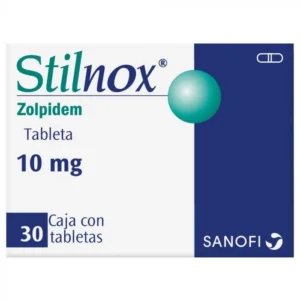
Zolpidem, marketed under the brand name Ambien, is prescribed to individuals who experience difficulty falling asleep or staying asleep. It works by enhancing the activity of GABA, a neurotransmitter that promotes relaxation and sleep.
Ambien
Ambien is generally recommended for short-term use and should only be taken under the supervision of a licensed healthcare provider.
Ambien
Ambien Uses
Ambien is primarily used to treat:
-
Acute and chronic insomnia
-
Difficulty falling asleep (sleep onset insomnia)
-
Nighttime awakenings (with extended-release formulations)
It is not intended for long-term daily use unless specifically advised by a medical professional.
Ambien
Ambien Dosage and Administration
Ambien tablets are available in the following strengths:
-
5 mg
-
10 mg
How to Take Ambien Safely
-
Take Ambien once per night, immediately before bedtime
-
Swallow tablets whole — do not crush or chew
-
Do not take with or right after a meal
-
Ensure you can remain in bed for 7–8 hours after taking it
-
Avoid driving or operating machinery the next morning if you feel drowsy
⚠️ Always follow your doctor’s prescribed dosage. Never increase or decrease your dose without medical advice.
Ambien
How Does Ambien Affect the Brain?
Ambien works by slowing brain activity, making it easier to fall asleep. Its sedative effects typically begin within 20–30 minutes of ingestion.
Ambien
The medication helps:
-
Reduce sleep latency
-
Improve sleep duration
-
Promote relaxation by calming neural activity
Because it affects the central nervous system, Ambien may impair alertness and coordination.
Ambien
Types of Ambien
Immediate-Release (Ambien)
-
Helps with falling asleep quickly
-
Best for sleep-onset insomnia
Extended-Release (Ambien CR)
-
Helps with both falling asleep and staying asleep
-
Releases medication gradually throughout the night
Sublingual Tablets (Edluar)
-
Dissolves under the tongue
-
Useful for middle-of-the-night awakenings
Common Side Effects of Ambien
Some users may experience mild to moderate side effects, including:
-
Daytime drowsiness
-
Dizziness or lightheadedness
-
Fatigue
-
Loss of coordination
-
Dry mouth
-
Nausea
-
Nasal congestion
Serious Side Effects (Seek Medical Help Immediately)
-
Trouble breathing
-
Swelling of face, lips, or throat
-
Severe allergic reactions
-
Memory problems or unusual behaviors
Ambien Precautions and Warnings
-
Do not mix Ambien with alcohol
-
Avoid use if you have a history of substance abuse
-
Not recommended during pregnancy or breastfeeding without medical approval
-
Use caution if you have liver disease, depression, or breathing disorders
Ambien can be habit-forming if misused.
Ambien
Is Ambien Safe Without a Prescription?
Ambien is classified as a prescription-only medication in many countries due to potential risks and side effects. Using zolpidem without medical supervision may lead to dependency, adverse reactions, or dangerous interactions.
Ambien
Always consult a licensed healthcare provider before using sleep medications.
Ambien
Frequently Asked Questions (FAQ)
How long does Ambien stay in your system?
Ambien’s effects usually last 6–8 hours, but traces may remain longer depending on metabolism and dosage.
Ambien
Can Ambien be used long term?
Ambien is generally intended for short-term use unless otherwise directed by a physician.
Ambien
What should I do if I miss a dose?
Skip the dose if you cannot get a full night’s sleep. Do not double up.
Ambien
| Quantity | 5mg/60 pills, 5mg/90 pills, 5mg/120 Pills, 10mg/30 pills/, 10mg/60 pills, 10mg/90 pills |
|---|
| Weight | 5 mg, 10 mg |
|---|---|
| Quantity | 30 mg, 60 pills, 90 pills, 120 Pills |
Be the first to review “Buy Ambien”
Related products
Insomnia
Insomnia

Insomnia
Insomnia
Insomnia
Insomnia

Insomnia

Insomnia
Reviews
There are no reviews yet.